
What Slow Settlement Quietly Costs Your Business
In cross-border payments, delays don’t always look dramatic. There’s no system outage. No failed transaction. No red alert on your dashboard. Everything appears to be working. And yet, something feels off. Money takes longer to arrive than expected. Teams start asking more questions. Decisions take a little longer than they used to. This is what slow settlement looks like in practice. Not failure, it's just friction. But over time, that friction becomes expensive.
Settlement Delays Are Easy to Ignore
Most businesses don’t immediately recognize slow settlement as a problem. A payment still goes through. Funds eventually arrive. Customers aren’t always aware of the delay. So it gets accepted as part of “how cross-border payments work.” But the real cost doesn’t show up in the transaction.
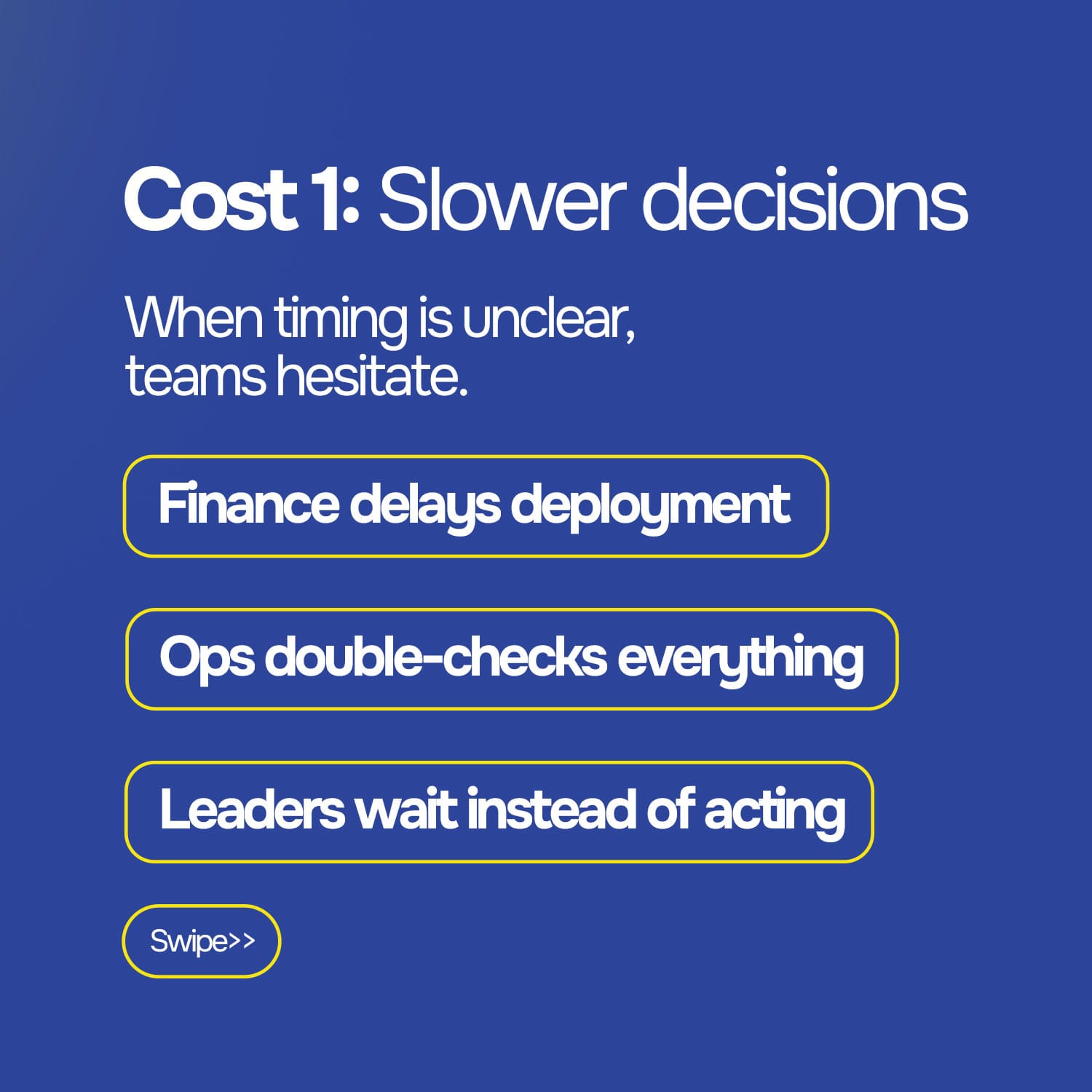
The First Cost: Slower Decision-Making
When settlement is inconsistent, teams stop trusting timelines. Finance teams hesitate before deploying capital. Operations teams double-check transactions. Leaders delay decisions because outcomes feel uncertain. Even when delays are small, the effect compounds. Predictability disappears, then; confidence.
The Second Cost: Idle Capital
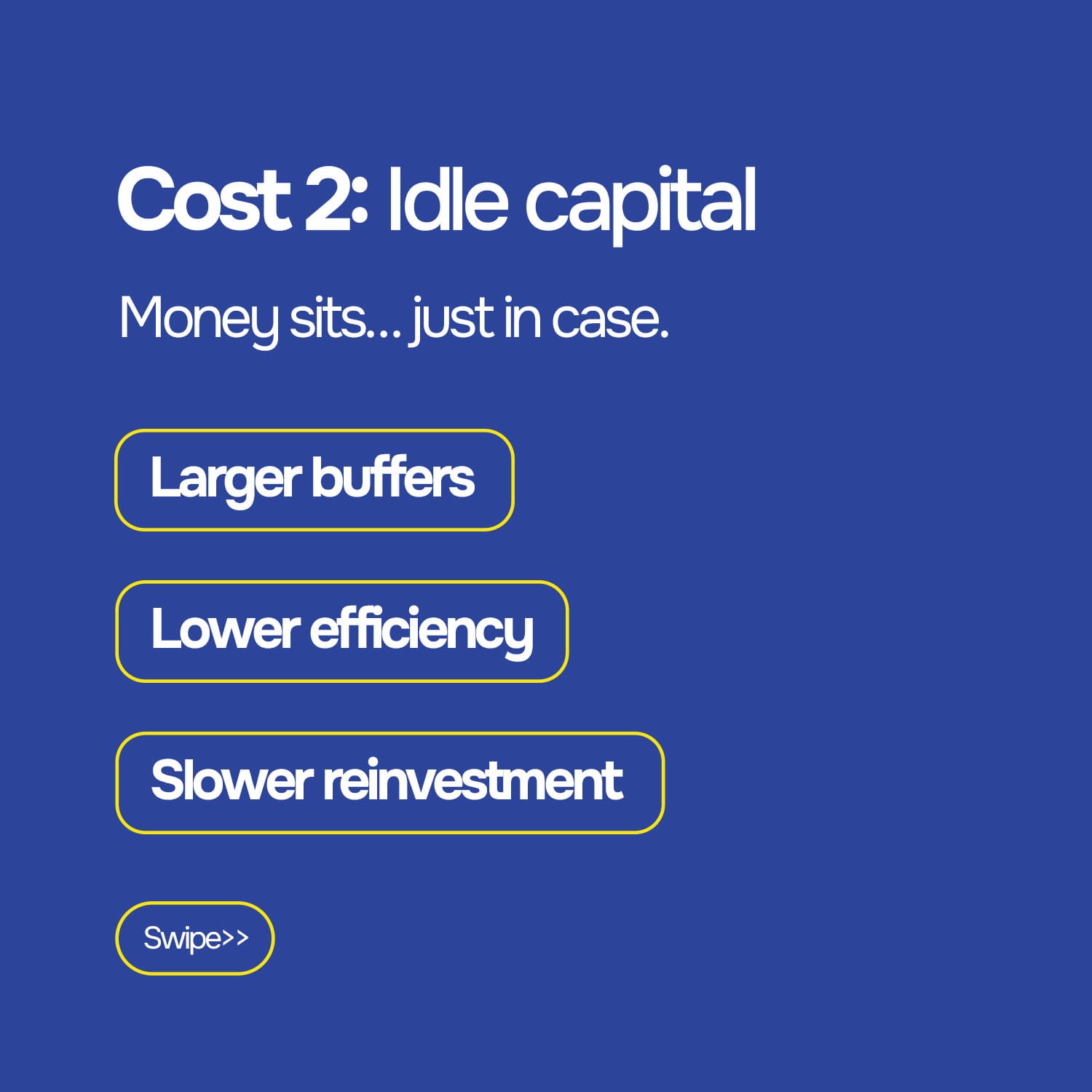
To compensate for settlement delays, businesses hold extra funds. Buffers are created. Liquidity sits unused. Working capital becomes less efficient. This is one of the biggest hidden costs in cross-border payments. Money exists but it isn’t being used effectively. Over time, that inefficiency reduces how fast a business can grow.
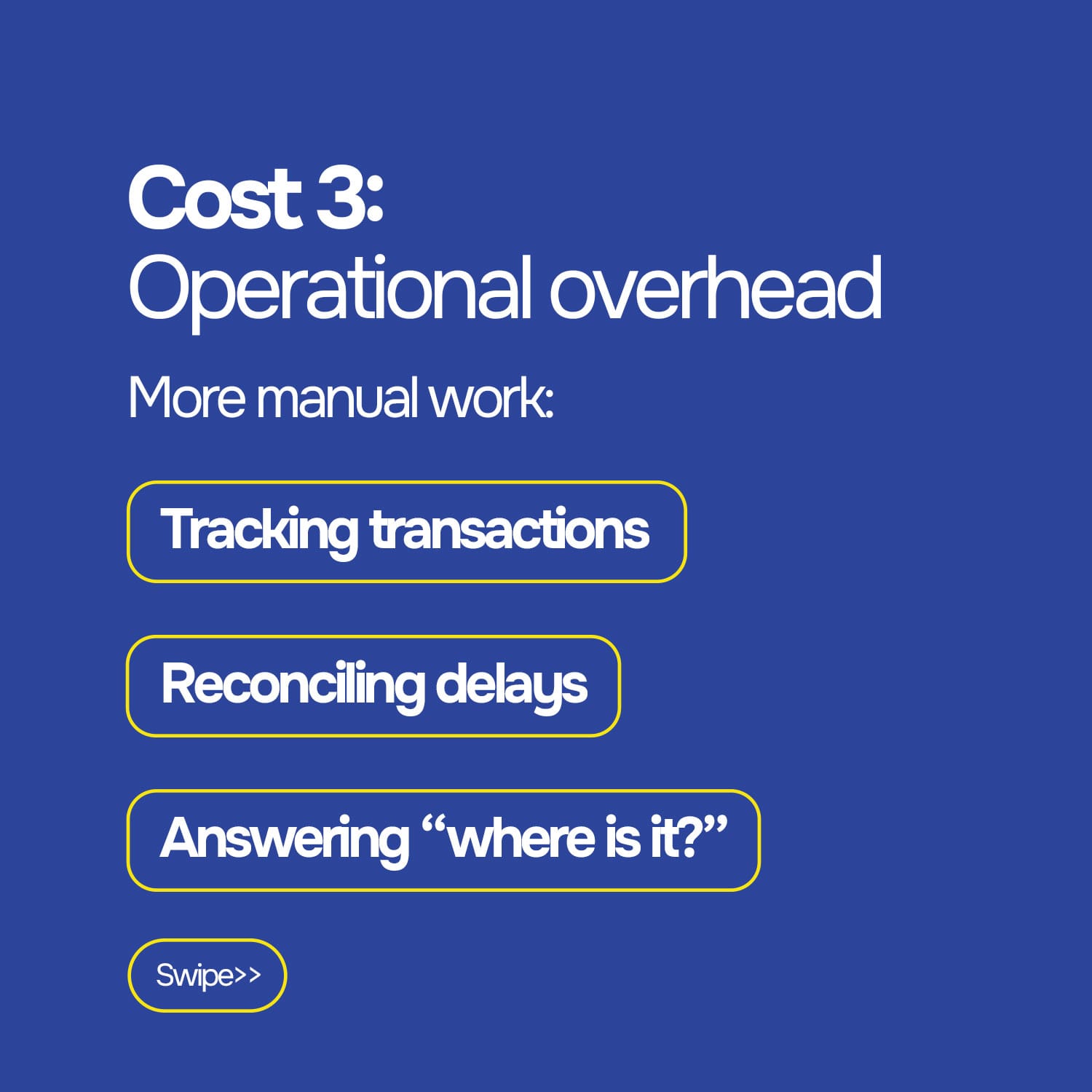
The Third Cost: Operational Overhead
When settlement slows down, manual work increases. Teams begin to: - Track transactions more closely - Reconcile more frequently - Communicate more with partners What should be an automated process turns into an operational task. And as volume increases, this workload grows disproportionately.
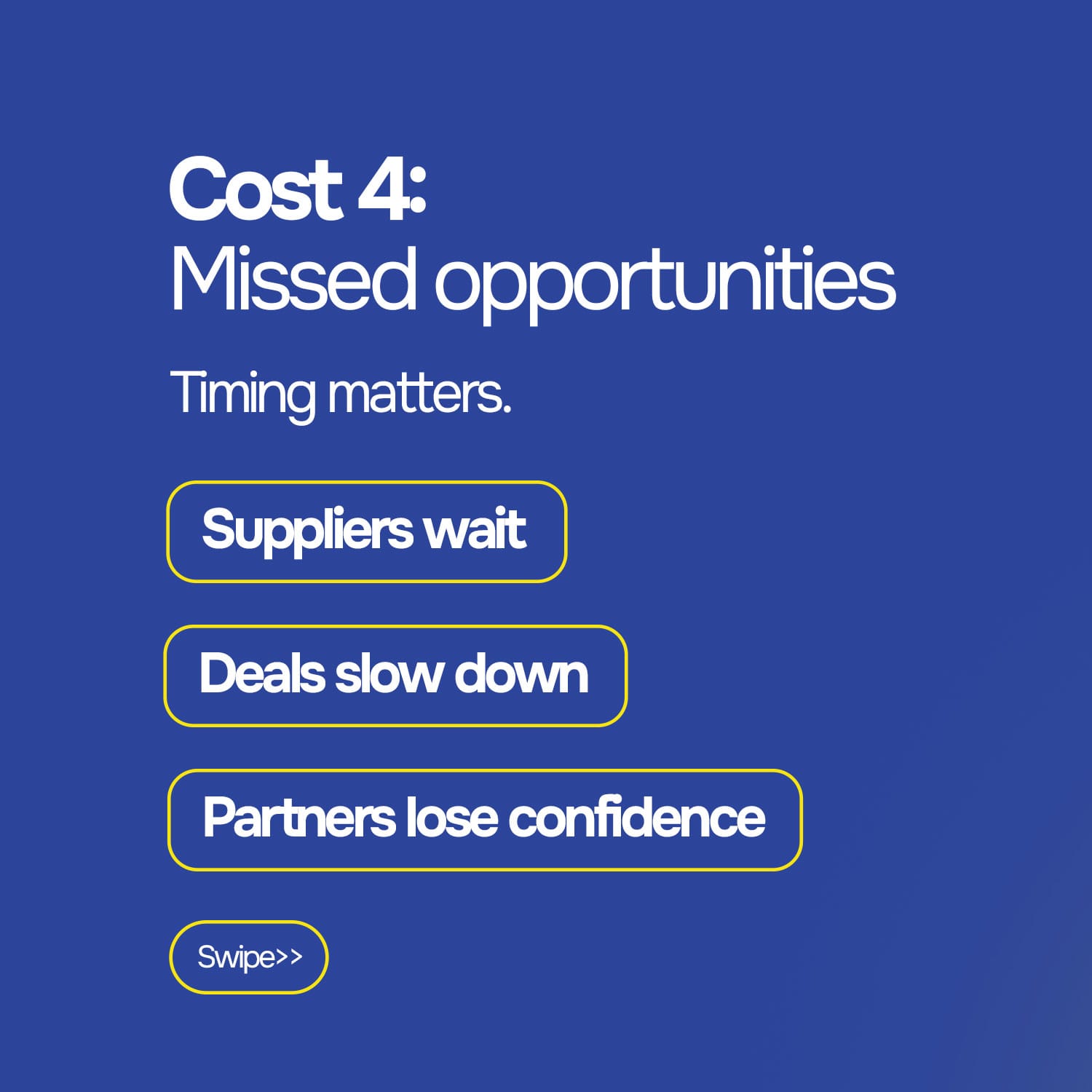
The Fourth Cost: Lost Opportunities
In fast-moving markets, timing matters. If payments take longer than expected: - Suppliers may delay fulfillment - Partners may choose more reliable alternatives - Opportunities may be missed entirely These are costs that rarely show up in reports. But they affect revenue directly.
Why This Happens in Cross-Border Payments
Settlement delays are rarely caused by a single issue. They come from a combination of factors: - Liquidity fragmentation across markets - Banking cut-offs and time zones - Risk and compliance checks - Corridor-specific constraints This is why switching payment providers doesn’t always solve the problem. The issue isn’t just the payment it’s the system behind it.
Why Growth Starts to Feel Expensive
At low volume, these inefficiencies are manageable. At scale, they become significant. - More capital is tied up - More time is spent managing flows - More effort is required to maintain reliability Growth starts to feel heavier than it should. Not because demand is weak but because infrastructure isn’t keeping up.
What Businesses Should Pay Attention To
Instead of focusing only on speed, businesses should look at: - Settlement consistency - Liquidity availability - Corridor reliability - Operational effort required These are the factors that determine whether systems scale smoothly.
A Simple Shift in Thinking
Instead of asking: “How fast can we send payments?” Ask: “How reliably can we complete transactions — every time?” That shift changes how infrastructure decisions are made. And over time, it changes how businesses grow. Book a call with us today to learn how to scale your business with Centiiv.